Showing posts with label HERBS.. Show all posts

Sunday, January 22, 2017

FENNEL STEAMED RICE


We are big time rice lovers in the VKlok household. Rice with butter or ghee and always with a pinch of salt; sometimes with broccoli and sunflower seeds and dressing; rice with stir-fry, rice in soup, in winter bowls and alongside dahlrisotto [and more risotto], dolma and kitchari . Lots of rice!

What I have yet to reveal here is the dappling I do in combining herbs with rice. Fennel, cumin, cardamom, celery seed, cinnamon, cloves - they all can turn basic rice into something a bit more magical, changing both the depth of flavor and over all energy. Each spice adds it's own, unique dimension and nutritional qualities. 

Take cardamom for example. Outside of it being my favorite flavor, cardamom is warming [hello winter!] and helps dispel damp, phlegm, mucus, and cold from the body among many other things. Add 2 - 3 whole cardamom pods to your rice while cooking, and boom!, magic. 

Here I use fennel which improves digestibility as well as calms an upset stomach [stomach flu anyone?]. It's a warming herb that aides the bladder, kidneys, spleen, stomach and liver. Good for indigestion, gas, and kicking out excessive mucus in the lungs. 

So next time you make rice, try adding a bit of your favorite spice. Use the whole seed rather than ground. No need to remove herbs like fennel, celery seed, and cumin but I would recommend composting cardamom, cinnamon, and cloves prior to serving.

Bon appétit! 

[THE RECIPE]

2 cups uncooked organic basmati rice [or rice of choice]
1 1/2 cups water
1 tablespooon whole fennel seed
1 - 2 tablespoons extra virgin, cold-pressed olive or avocado oil
sea salt

In a small skillet, heat fennel seeds over medium heat to toast. Stir constantly until seeds become fragrant and just begin to brown. Immediately remove from heat and set aside.

Pour rice into a fine mesh strainer. Over sink, run cold water through the rice until water runs clear. Let all of the water drain completely. 

Place rice in a medium size saucepan and add water, a pinch of sea salt, and toasted fennel seeds. Bring water to boil over high heat. Once boiling, reduce temperature to low and cover to steam until rice is tender and water is gone. This may take anywhere from ten to thirty minutes depending on the variety of rice you use. Turn off heat and let sit covered for 10 minutes.

Drizzle oil over rice and use a fork to fluff. Add sea salt to taste. 


Friday, August 5, 2016

SHOWER SUGAR SCRUB with lavender


One of my absolute favorite smells is lavender. It seems to me to be the perfect blend of floral and spicy and invoke a feeling of balance and peace.

I've posted a number of health and beauty recipes on this blog but none can compare with the simplicity of this. One jar. Three ingredients. Five minutes.

If you're looking for a place to start, a way into dabbling in homemade, I'd begin here. Lavender is a heal-all oil, can be used with children, and is one of the safest, most effective herbs we have.

Note: Of course, you could use a host of essential oil variations here. If you have experience with essential oils and understand the safety of use then experiment as you wish. 

[THE RECIPE]

2 - 3 cup glass jar with tight fitting lid
fine ground organic sugar
unrefined organic sesame oil [not toasted!]
10 - 15 drops lavender essential oil, optional
1/2 c. dried lavender flowers, lightly ground*

*You can use and pestle and mortar, blender, food processor, or coffee/herb grinder to lightly crush the flowers.

Fill glass jar halfway with sugar. Add lavender essential oil and top with lightly crushed lavender flowers. Add sugar to fill jar to 3/4 full and mix contents of jar. Pour oil over sugar to cover then mix. Continue adding sugar then oil until jar is almost full. Sugar should be oily but not drenched. Over time oil will start to pool on top. Add sugar as needed. If scrub dries out, add oil as needed. Store in refrigerator for up to six months or in shower for about one month.

At the end of your shower, massage scrub into clean, wet skin over entire body. Rinse residual sugar and pat skin dry with towel.

Note: To avoid oil getting on towel, pat skin with a dry washcloth before wrapping in towel. 

This makes a great gift! Package in a decorative jar with an artistic tag.

Tuesday, November 17, 2015

PEACE-KEEPING AND PAN-FRIED PAPRIKA SALMON with quinoa and herbs


Beirut. Burundi. Paris. And untold, unacknowledged places across the globe.

Recent events have reminded me we live in a world full of humans and we humans have a powerful opportunity with every breath we take to poke holes in our world. These pinpricks can either offer us a glance into a parallel universe filled with beauty and hope and love and compassion and eternal grace or a devastating view into death and destruction and pain and heartache and loneliness and loss.

It's crushing when the latter is chosen.

I'm convinced the only way to respond to violence is to grieve deeply and then do the work of cultivating peace in our own souls. To find beauty and worth and truth in whatever takes our days from normal to holy. To invest ourselves in that which leads us to encounter the divine. To find whatever allows us to smile more honestly, to look deeply into the eyes of a stranger and find our own stories there, to pause within the course of a day and say "thank you" - to tap into whatever this is daily and give ourselves fully to this work of peace-making.

I paint for peace.

I practice yoga for peace.

I giggle and laugh and walk in the grass and breathe with intention for peace.

These are my tangible, flesh and earth and life prayers for peace.

These are the things that allow me to look into the eyes of the person behind the counter and smile with authenticity. These are the things that give me the grace to wave at daily unkindness and see a lonely, exhausted, and hurt person instead of cruelty. To acknowledge that I've been there too, I've felt that way too, I've acted out of those places too.

I don't know how I would handle what has happened across the ocean. I hope I never have to find out. My heart breaks for those who have lost so much. Here's what I do know: I can't solve all things, especially these big, global things. But I can do the work within that brings freedom and forgiveness and peace. And maybe, just maybe, that's enough.

May you find whatever fills you with joy and creativity and life, and with each moment know that when you take the time to entertain this thing you do, you are cultivating peace in this world. 


This dish is a mainstay in our house. Full of healthy fats, protein, vitamins, minerals, and beneficial bacteria, my kids and I try to get this in at least once a week. We mix up the grain and flavors, Indian-spiced rice [in lieu of quinoa], Chinese 5-spice [instead of paprika], and parsley or cilantro [rather than dill] being another favorite.  

[THE RECIPE]
Serves 2

2 wild caught Alaskan salmon fillets
1 - 2 T. ghee or pure, extra-virgin coconut oil
sea salt
sweet paprika
smoked paprika
1 c. uncooked quinoa, rinsed
2 c. water
1 c. fresh herbs like dill, parsley, cilantro
1/4 c. raw sauerkraut
1 avocado

Place uncooked quinoa in a fine mesh strainer and rinse under cold water until water runs clear. Put rinsed quinoa into a medium size sauce pan and add water and a pinch of sea salt. Cover and bring to boil over high heat. As soon as the water boils, reduce heat to low and cook covered until all of the water has been absorbed [approximately 7 - 10 minutes]. Once the water has been absorbed, remove from heat and let sit for 5 minutes.

While quinoa is cooking, drain salmon fillets and pat dry. Sprinkle each filet with a generous amount of sea salt, sweet paprika, and smoked paprika. Set aside.

Heat ghee or coconut oil in a small cast iron skillet or stainless steel pan that has a cover. Once melted, the ghee or oil should thoroughly cover the bottom of the pan. Once the ghee or oil is just beginning to sizzle, carefully place fillets skin side up in the pan. Cover immediately and let cook on medium-high heat for 3 - 5 minutes. Remove from heat and let sit, covered, for an additional minute or so. Gently remove skin if desired and discard [great for compost!].

Arrange cubed avocado, fresh herbs, sauerkraut and cooked quinoa on a plate. Place salmon on quinoa, drizzle with a little olive oil if desired, and sprinkle with sea salt.


Monday, August 4, 2014

TWO SUMMER SALADS, ONE HERB DRESSING

Every March it happens. I become so giddy with the idea of fresh herbs I start, what seems like, way too many seeds. Then July rolls around and I am so grateful for the endless supply of basil and other decidedly "summer" flavors. I've been enjoying this dressing alongside almost every meal, preferably while sitting on the patio with a small glass of coconut water kefir.

The dressing is really easy to make and, if you don't have a garden, you can easily find herbs in bulk at your local Farmer's Market. Don't let a missing herb stop you - blend together whatever combination suites you and sub herbs you love for ones you may not favor. This recipe is a combination of my favorites but really, go nuts with whatever you've got.

Within this post you'll also find two of my go-to salads. I love the balance of raw greens with cooked vegetables and tend to make a large batch of the veggies so I have them at the ready when meal-time rolls around.


[HERB DRESSING RECIPE]

Note: This recipe makes a larger batch, about 4 or 5 half pint jars. I make large batches of this dressing and freeze it in small glass jars for a bit of summer flavor come winter chill. 

2 cups organic, extra virgin olive oil
2 tsp. sea salt
freshly ground pepper, to taste
4 c. Genovese basil leaves
2 c. roughly chopped chives
1 c. lemon or lime basil [optional, if you don't have this simply add another cup of the Genovese basil]
1 c. parsley leaves
6 sprigs tarragon leaves

Optional Additions: toasted sunflower or pumpkin seeds; toasted walnuts; nutritional yeast; garlic - raw, powdered, granulated, or roasted; onion powder; cayenne pepper

Pour oil into a large blender or food processor. Add salt and pepper. If you have a blender with a tamper you can layer all of the herbs [except the Genovese basil] into the blender and blend to smooth. Add the Genovese basil and blend again to smooth. If you are using a food processor or basic blender, add herbs in stages and blend to smooth before adding the next herb. Mixture should be thicker than standard dressing. If you prefer a pour-able dressing you can add a bit more oil and a couple pinches of salt.

Store in an airtight glass jar or freeze in small glass jars for winter use. I love this dressing with just about everything: salads, butternut squash hashbrowns, zucchini pasta, quinoa, fish, etc.

[CUMIN CARROT-RADISH + HERB QUINOA SALAD RECIPE]

4 - 5 medium size carrots, rinsed and sliced
8 - 12 radishes, rinsed and sliced
1 - 2 T. coconut oil or ghee, melted
4 T. whole cumin seeds
1 tsp. sweet paprika
sea salt and freshly ground pepper, to taste
1/2 c. cooked soaked and sprouted quinoa* [this is a great way to use leftover quinoa from a previous meal]
1 T. herb dressing [see recipe above]
large handful baby greens or salad blend, rinsed and spun dry
1/2 avocado, sliced
1 - 2 T. raw, unpasteurized sauerkraut [optional]**
1 T. extra virgin olive oil [optional, I love using a lemon-flavored oil with this salad]

Place cumin seeds, paprika, a pinch or two of sea salt and ground pepper in a spice grinder or dry vita-mix container. Grind until seeds are powdered. Set aside.

Preheat oven to 375 degrees. On a baking sheet, toss carrot and radish slices with oil or ghee. Sprinkle ground cumin mixture over the oil-coated vegetables and mix well [using your hands works best here]. Bake for 20 - 30 minutes or until vegetables are soft when poked with a fork.

While vegetables are baking, heat quinoa in a cast iron skillet over medium heat for about 5 - 7 minutes, stirring frequently. Reduce heat to low and add herb dressing. Toss until quinoa is well coated.

Arrange greens on plate of choice. Drizzle with olive oil and layer warmed herb-quinoa, roasted vegetables, avocado, and sauerkraut. Enjoy immediately or cool.

*Soaking and sprouting quinoa really improved digestibility. Place quinoa in a glass jar and cover with double the amount of water. You can add a tablespoon or two of apple cider vinegar to increase the benefits of soaking. Cover with cheese cloth or mesh sprouting lid and let stand for 12 hours. Drain water, rinse, drain, and rinse. Place in jar in a warm, light area and rinse once or twice throughout day. Sprouts should appear in 24 - 36 hours. After sprouts appear, rinse and drain once more. Place in a pot and fill with just enough water to cover quinoa. Cover, bring to boil, and reduce heat to low until all liquid has been absorbed. Let stand covered for 10 minutes and then fluff with a fork. 

**Raw, unpasteurized sauerkraut is packed with friendly bacteria. It's a great addition to any meal. If you purchase, make sure it is from a reputable source.

[GREEN BEAN + QUINOA SALAD RECIPE]

2 c. fresh green beans, cut into 1-inch size pieces
1 small onion, finely chopped
2 cloves garlic, minced
sea salt and freshly ground pepper, to taste
1/2 c. cooked soaked and sprouted quinoa* [this is a great way to use leftover quinoa from a previous meal]
1 T. herb dressing [see recipe above]
large handful baby greens or salad blend, rinsed and spun dry
1/2 avocado, sliced
1 small cut of wild-caught, sustainably harvested fish of choice [I enjoy salmon or halibut]
1 T. + 2 tsp. coconut oil or ghee

Warm one tablespoon of oil or ghee in a medium-sized cast iron skillet or medium. Add onion and saute until very soft and just beginning to brown. Add garlic and saute for a minute or so. Toss in cut green beans and saute until beans are bright green [or yellow or purple depending on variety] and just beginning to soften. Remove from heat and set aside. 

In another small skillet, heat cooked quinoa over medium heat for about 5 - 7 minutes, stirring frequently. Reduce heat to low and add herb dressing. Toss until quinoa is well coated. Add quinoa to cooked green beans and set aside. 

In the same skillet used for quinoa, warm 2 tsp. coconut oil or ghee over medium-high heat. Rub fish filet with sea salt and freshly ground pepper [you can be generous here!]. Carefully place filet in pan with oil and cover. When first side is browned flip and return cover. Cook until desired level of done-ness has been reached. You could also bake or broil fish if preferred.

If beans and quinoa have cooled, warm over low heat. 

Arrange greens on plate of choice. Layer with warm herb-quinoa and sauteed beans, avocado, and fish. Enjoy immediately or cool.

*Soaking and sprouting quinoa really improved digestibility. Place quinoa in a glass jar and cover with double the amount of water. You can add a tablespoon or two of apple cider vinegar to increase the benefits of soaking. Cover with cheese cloth or mesh sprouting lid and let stand for 12 hours. Drain water, rinse, drain, and rinse. Place in jar in a warm, light area and rinse once or twice throughout day. Sprouts should appear in 24 - 36 hours. After sprouts appear, rinse and drain once more. Place in a pot and fill with just enough water to cover quinoa. Cover, bring to boil, and reduce heat to low until all liquid has been absorbed. Let stand covered for 10 minutes and then fluff with a fork. 


Friday, December 20, 2013

SUPER-IMMUNITY KOMBUCHA

Kombucha may rank as one of my favorite drinks in life. I generally have a batch going and love experimenting with a variety of different flavors and combinations. In my opinion, kombucha can easily stand in as a glass of bubbly for upcoming holiday parties and, hey!, I can toast to good health and mean it.

I created this recipe a couple months ago as preparation for the months known for boasting illness - a foe I do everything possible to avoid. If anyone close to me catches a cold I immediately pop a bottle, sipping to freedom from phlegm and misery. Along with a few preventative measures, my body is able to put up a good fight and come away victorious.

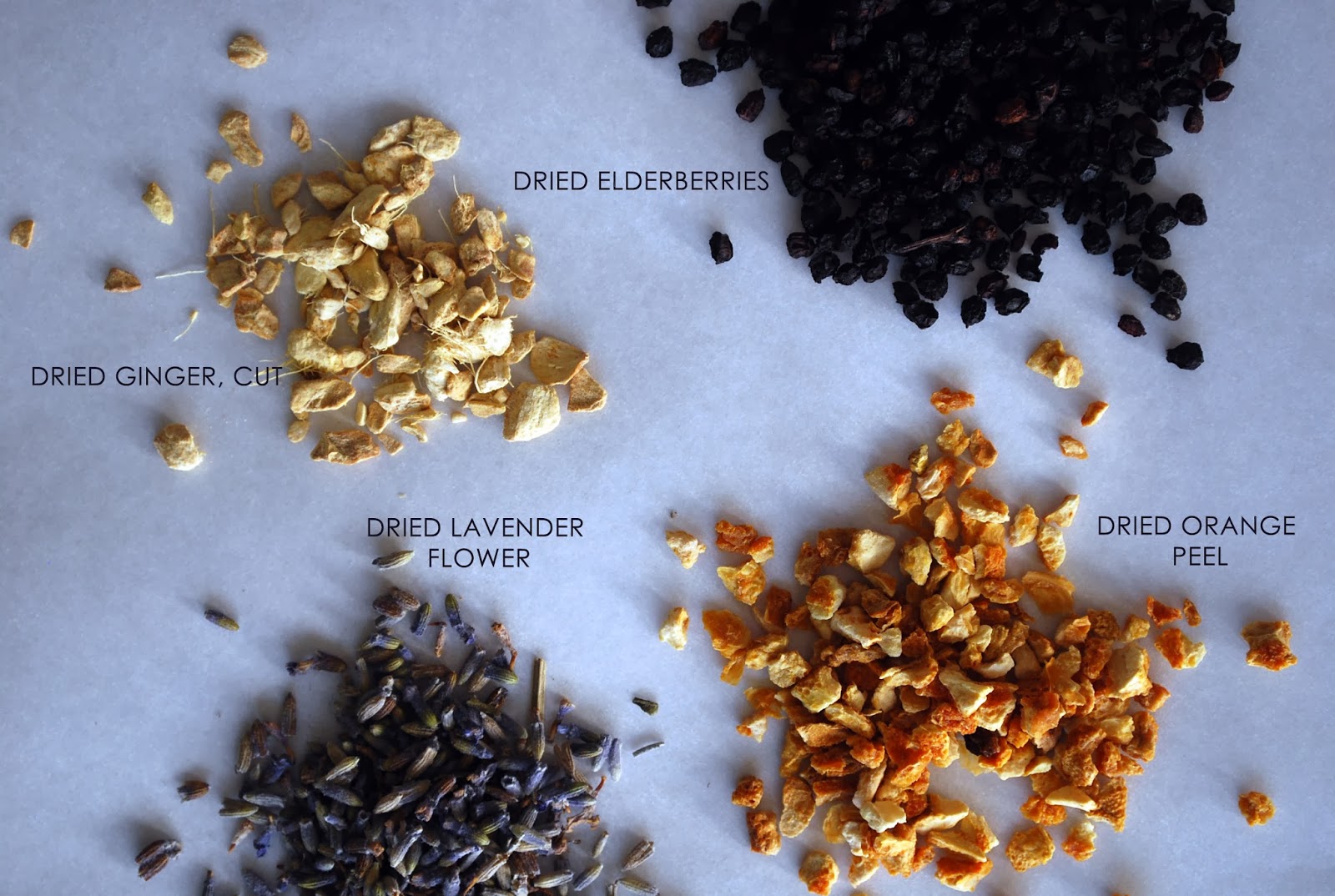
[WHAT'S SO GREAT ABOUT THIS COMBO?]

Elderberries

Elderberries and elder flowers are pretty much considered the universal remedy. In most temperate regions its seems you can find these bushes everywhere. We have them lining the ditches along our roads, in the woods, throughout our gardens and farms, near ponds, you name it. They are easy to grow and really easy to dry and store. Elder's most touted properties are immune-enhancing, anti-viral, and sweat inducing [fever reducing]. They can also be used to treat upper respiratory infections, inflammation, skin problems [including boils, rashes, acne], or as a nutritive food [think vitamin A, vitamin C, bioflavonoids, flavonoids, phenolic compounds, beta-carotene, iron, potassium, and phytosterols].
*Note: it is important to use dried as raw berries can cause severe vomiting and diarrhea in some people.

Ginger

Okay I admit, I add ginger to everything. It is one of my favorite all-around herbs and also claimed to be a universal remedy. Not only an antiseptic [think food poisoning and gastrointestinal infections], ginger is a wonderful digestive stimulant; increases circulatory, respiratory, and nervous system function; and has warming and cleansing properties. It is wonderful for treating colds and the flu, motion sickness, nausea or upset stomach, and in some cases morning sickness. Parasites beware. Inflammation, run. Nasty phlegm, bam! Menstrual pain, look out, ginger is coming. You can even help alleviate a headache by rubbing some ginger juice on said area and lower blood triglycerides using ginger. Seriously, this herb has it all and is a must-have in your herbal medicine cabinet.

Lavender

Lavender. The smell alone should be enough to sell you on this wonderful herb but in case it doesn't, here's a bunch of other reasons to get really familiar with this common plant. Lavender is famous for it's relaxing and uplifting qualities lending it perfect to use for tension and stress relief or insomnia. It also happens to have antibacterial, antifungal, and antiseptic properties and can be used in treating a plethora of infections, burns, and insect bites. It's used in formulas for migraines and headaches as well as indigestion and stomach spasms related to irritable bowel syndrome and Crohn's disease. There's a component of lavender, perillyl alcohol, that has shown antileukemia and anititumor effects [specifically liver, spleen, and breast] in laboratory studies. So one might say it's a universal remedy. Sensing a theme?

Orange Peel 

Orange peel is most commonly used as a flavoring agent or fragrance. More uncommonly known, these same compounds are antiseptic in nature, decrease mucous production, reduce muscle spasms, increase digestive fluid production and blood circulation, and have anti-inflammatory effects. Not bad for a great tasting herbal addition!

[THE RECIPE]

For great instructions on how to make kombucha at home, I recommend Sally Fallon's book Nourishing TraditionsSmall Notebook also has really good instructions just slightly different from Fallon's. Note: I use organic green tea rather than black tea for a super antioxidant boost.

One batch of prepared Kombucha Tea
8 - 12 glass bottle with tight fitting lid [I like to reuse store bought kombucha bottles but any jar will do!]

1 teaspoon each per bottle:

Organic Dried Elderberries
Organic Dried Ginger, Cut or 1, 1-inch piece of fresh ginger
Organic Dried Lavender Flower

1/2 teaspoon per bottle:

Organic Dried Orange Peel

Check out Global Infusion [if you live in the area], Bulk Herb Store, or Mountain Rose Herbs for dried organic herbs.

Place measure herbs in each bottle. Fill 3/4 full with prepared kombucha tea. Tightly secure cap and place in a warm, dry, dark area [a cupboard under the sink or over the refrigerator works great]. Let sit for 3 - 5 days. After 3 - 5 days store in refrigerator for 2 weeks to let the flavors really blend. After 2 weeks have passed, enjoy!

Saturday, July 6, 2013

PLANTAIN & SAUTEED GREENS WITH TOMATO-SPIKED MILLET

[PLANTAIN: seed, root, leaf]

If there is one "weed" herb you need to make yourself comfortable with, even befriend, it's this one. Plantain is like the kale of the herb world. It can just about heal everything and is as nutritious as they come. Have a cut? Plantain. Have a burn? Plantain. Acne - plantain. Dry skin - plantain. Rash - plantain. Bite or sting - plantain. Bruise - plantain. Constipated - plantain. Need to detox? Plantain. Are you getting the picture?

Like dandelion, plantain can be found just about everywhere [except maybe the beach...]. Yards, park, pond side, roadside, hillside, concrete cracks, pasture, patios, gardens, city sidewalks, you name it. You've probably seen it a number of times, maybe even cussed it out on occasion. Although it is related to spinach [it's not only edible and amazingly nutritious but free!], it tends to masquerade as weed, keeping company with thistles, crabgrass, ragweed, and horse nettle. Really plantain should be elevated to "patron saint of the garden" status, or at least bestowed the title of "super herb". On hot days this herbs works wonderfully to cool the body from the inside out which is the most effective to eliminate heat. Essentially it's the perfect "emergency food".


Energy:  bland, a bit bitter, cool
Use:  Internal and External
For Infants / Children:  Yes
Precautions:  No know reactions or side effects

Key Nutrients:  iron, vitamins A, C and K, B vitamins, fatty acids, protein

Medicinal Uses:  detoxification and purification [is even used as a remedy for blood poisoning], liver stimulation [aids in poor digestion and nutrient assimilation], helps disperse too much heat in the body. It helps heal urinary tract infections, hepatitis, stings, bites, and wounds, skin issues [acne, rashes, dry skin, etc.]; cuts, scrapes and bruises.

Common Culinary Uses: salads, boiled and / or sauteed in ghee or oil, tossed with vinegar, pastas, pesto; hide in, I mean "add to", smoothies and juices ; seed pods can be used in soups, stew, stir-fries, and sauteed in ghee or oil.

[THE RECIPE: SAUTEED GREENS]

1 - 2 T. ghee, coconut oil or extra virgin olive oil [I highly recommend the ghee]
2 - 4 garlic scapes, chopped
1/2 c. freshly cut plantain leaves, rinsed and torn
1/2 c. freshly cut dandelion leaves, rinsed and torn
4 c. greens [ex. kale, chard, collards, mustard greens, arugula, and / or spinach]
large handful of herbs [ex. oregano, chives, parsley, and / or cilantro]
sea salt and freshly ground pepper, to taste
splash of fresh squeezed lemon juice, apple cider vinegar, or vinegar of choice [optional]

Heat the ghee or oil in a large cast iron skillet over medium heat until melted. Gently add garlic scapes and toss for 1 - 2 minutes. Add dandelion, plantain, and other greens to skillet. Continue to stir until greens have wilted and turned bright green. Turn off heat and season with salt, pepper, and vinegar [if using]. Toss with Tomato-Spiked Millet [recipe follows], quinoa, or Cauliflower "Rice" [I like to cook this in coconut oil].


[THE RECIPE: TOMATO-SPIKED MILLET]

1 1/2 c. millet, rinsed and drained
2 T. extra virgin olive oil
1 small onion, chopped
1 quart size jar of stewed tomatoes with juice [or roughly 3 - 4 cups of tomato puree], blended
large handful of fresh parsley and dill or herbs of choice, minced

Place millet in a fine mesh strainer and rinse until water runs clear. Drain and set aside. Pour oil into medium pot and warm over medium heat. Add onions and saute until translucent but not browned [about 5 - 7 minutes]. Add millet and toss frequently to roast for about 3 - 5 minutes [be careful not to burn the millet]. Gently pour in blended tomatoes, stir, and cover. Watch carefully and when liquid starts to bubble turn heat to low, cover, and let cook until all liquid has evaporated. When the millet is fully cooked, add parsley and stir.

Special Note: Remember, whenever you are introducing your body to something new, educate yourself on what you are eating / using [especially if you have health issues / concerns]. Many of the herbs found here will be safe for most but each of us has a different composition and will respond to foods and herbs in our own unique way. 


Friday, May 24, 2013

DANDELION & 4-GREEN PASTA

This year we are resting our garden, a year of jubilee of sorts. The area we use to grow our goods has been worked, and pushed, and tilled, and faithful to us for around seven summers and we thought, as a way of saying thanks, we would allow it to rest. To just be. To gather steam and health and goodness for the next line of growing seasons.

This summer of celebration will hopefully allow us the time and space to do a couple things: re-design the garden, create more permanent raised beds, and feed the soil in a variety of ways [like compost and lasagna gardening - sounds delicious right?!].   

Taking a break from the seed starting, the watering, the weeding [although there is still a bit of weeding], the growing , the worrying, and all the other things that come with growing a garden has allowed me to notice the other edibles that surround where we live. What many view as weeds [myself included] are actually nutrient-dense, delicious foods that generally provide our bodies with exactly what we need when we need it. 

This inspired me to start a series of posts dedicated to these awesome edibles. To give you a little peak at what our yards and forests hold, how they can be used as both food and medicine, and hopefully inspire you to take a little walk around your yard with shovel and sheers in hand instead of the weed killer.

For each post, I'll give you the most common and recognizable name of each plant; parts of the plant used; whether the plant should be used externally, internally, or both; it's energies; medicinal uses and any precautions; and a recipe or two.

There are plenty of great herbal books out there should you choose to dive deeper [you can find a list of my favorites at the bottom of this post], so I will keep it short and simple here. 

May you walk outside with new eyes and a sense of adventure. May you find a bit of jubilee this season.

Special Note: Remember, whenever you are introducing your body to something new, educate yourself on what you are eating / using [especially if you have health issues / concerns]. Many of the herbs found here will be safe for most but each of us has a different composition and will respond to foods and herbs in our own unique way. 

[DANDELION: flower, leaves, roots]

Energy: [leaves] cool & bitter, [roots] cool, bitter, & sweet
Use: internal & external
For Infants & Children: Yes 
Precautions: some people may have an allergic reaction to the flowers and stems [generally those also allergic to chamomile and yarrow] - simply discontinue use if a rash occurs; should be avoided during antibiotic treatment; should be avoided if you have gallstones

Key Nutrients: vitamins A, B, C, and D; iron; potassium; calcium; magnesium; inulin; sesquiterpenes; carotenoids

Medicinal Uses: detoxification [one of the best liver decongestants and cleansers], blood purification and blood builder [one of the best available], aid for digestion, high vitamin and mineral content, enzyme balance, aids stomachaches, hepatitis, hypoglycemia, decreases blood pressure, anemia [again, one of the best], diuretic [especially for fluid retention], cystitis, nephritis, weight loss / appetite, energy and endurance, bladder infection, constipation, hemorrhoids, indigestion, IBS, gallstones, osteoporosis, good for reproductive organs, PMS, skin diseases / issues [acne, age spots, eczema, yellow jaundice], bodily restoration and rejuvination, cooling affect on the body

There is a reason this baby is tough to remove from your yard - all of those fighting, tenacious properties may be what make this plant such a nutritious food and powerful medicine.


Common Culinary Uses: salad greens, pasta, pesto, wilted and / or marinated greens, coffee substitute [roasted root], green drinks, wine, soups
[THE RECIPE: 4-GREEN PASTA]

1 package of gluten free pasta, spaghetti style
1/8 c. fresh mint, minced
1/4 c. fresh dandelion greens, washed / spun dry / cut into small strips
1/2 c. beet greens, cut into small strips
1/2 - 1 c. chard, cut into small strips
1/4 - 1/2 c. Everyday Vinaigrette [see recipe below]
1 - 2 T. dulse flakes
sea salt and pepper to taste

Cook pasta according to manufacturer instructions. While pasta is cooking, cut the greens and mix vinaigrette. When pasta is just soft [or al dente if you prefer], drain water and return pasta to pot. Quickly add vinaigrette and greens quickly tossing. Cover and let stand a few minutes to wilt the greens. Toss again. Add salt, pepper, and dulse flakes and stir well. Serve warm or cool.

This is really good served with Shaved Asparagus Salad [I half the dressing this recipe calls for because it is a bit too intense for my flavor. Start with a small amount of dressing and add until you've reached the flavor you desire. I also use Parma-Zaan in stead of Parmesan cheese].

[THE RECIPE: EVERYDAY VINAIGRETTE]
Recipe from Grow, Cook, Eat by Willi Galloway

In a pint size jar combine:

1/4 c. white wine vinegar
1/4 tsp. sea salt
1/2 tsp. honey or maple syrup
2 tsp. fine chopped shallot [optional]
2 tsp. Dijon mustard
1/3 c. chopped herbs
3/4 c. extra virgin olive oil

Cover tightly and shake vigorously for a minute or so. Store in refrigerator to keep longer and remove 5 - 10 minutes prior to use [oil will solidify over time].

You can also add fresh dandelion greens to this Caesar salad, green smoothie, spring detox tea, spring vegetable pasta saladsocca cakes - the options are endless!

[ADDITIONAL RESOURCES]

Hands On Healing Remedies by Stephanie Tourles
Medicinal Herbs by Rosemary Gladstar
Herbal Recipes for Vibrant Health by Rosemary Gladstar
The Way of Herbs by Michael Tierra
Prescription for Herbal Healing by Phyllis A. Balch
The How To Herb Book by Velma Keith & Monteen Gordon
Mother Earth Living Magazine's "All About Dandelions"